
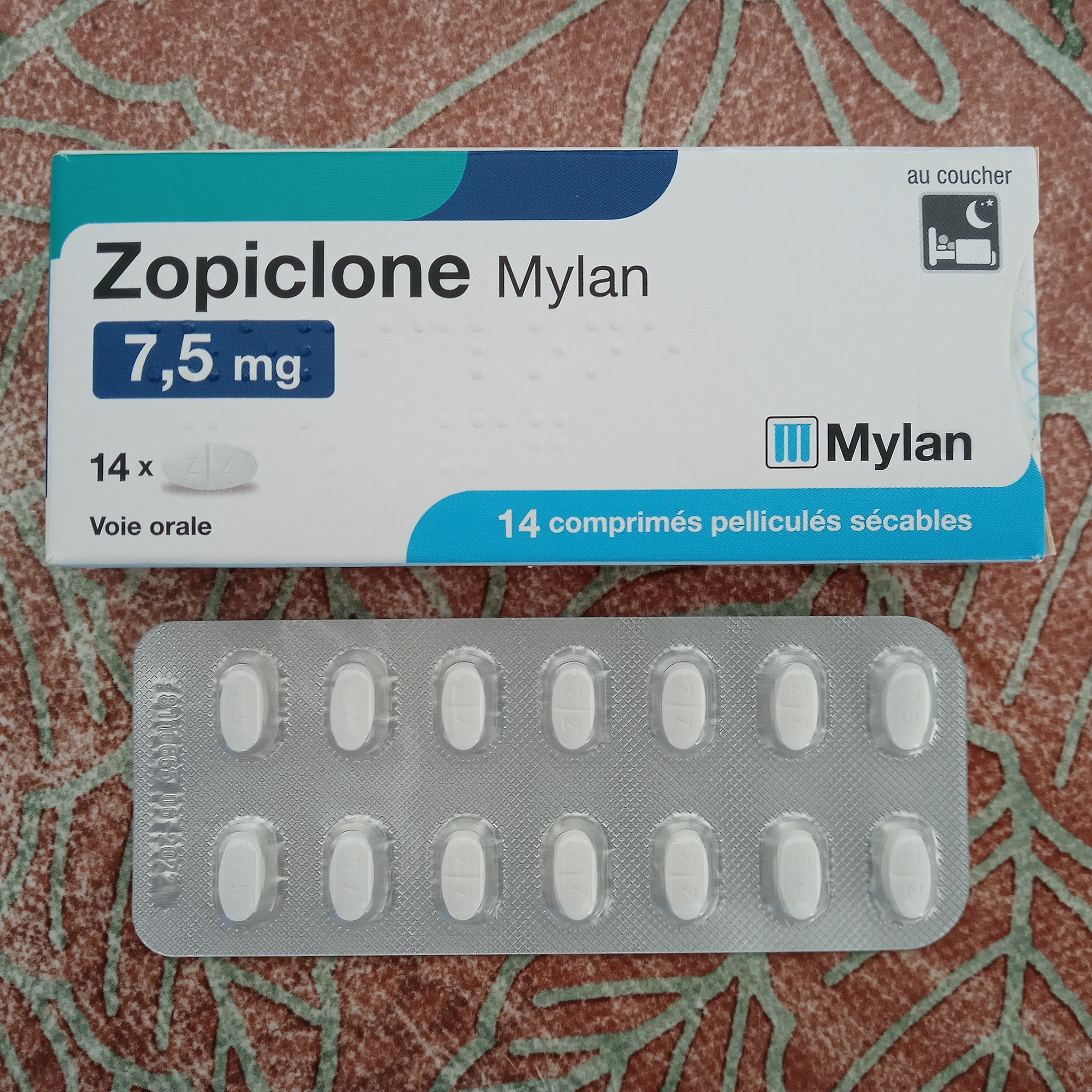
Zopiclone: Advanced Sleep Support for Responsible Use
Sleep is the foundation of cognitive function, metabolic health, and emotional resilience. For individuals experiencing transient or chronic sleep-onset difficulties, Zopiclone represents a well-established pharmacological option. As a non-benzodiazepine hypnotic agent, it is widely recognized for its ability to reduce sleep latency and maintain sleep architecture without the extended half-life associated with older sedatives.
Zopiclone belongs to the cyclopyrrolone class and acts as a positive allosteric modulator of the GABA-A receptor complex. By enhancing GABAergic inhibition in the central nervous system, it produces a calming effect on overactive neural circuits that interfere with natural sleep initiation. Patients typically report falling asleep within 30 to 60 minutes post-administration, with a duration of action spanning approximately six to eight hours—sufficient for a full night’s rest without pronounced next-day sedation when used as directed.
The primary advantage of Zopiclone over traditional benzodiazepines is its more selective receptor binding profile. This translates to a lower incidence of muscle relaxation, amnesia, and tolerance escalation when used intermittently. Many users appreciate that it preserves slow-wave sleep (the deepest restorative stage) more effectively than earlier hypnotics. For those traveling across time zones or adjusting to shift work schedules, Zopiclone can be an effective short-term strategy to reset circadian rhythm.
However, responsible usage is non-negotiable. Zopiclone is intended for short-term management—typically no longer than two to four weeks—due to the risk of psychological dependence and diminished efficacy over time. It should never be combined with alcohol, opioids, or other CNS depressants. Individuals with a history of substance use disorder, myasthenia gravis, or severe respiratory insufficiency should consult a medical professional before use. Abrupt discontinuation after prolonged therapy may lead to rebound insomnia or withdrawal symptoms, including anxiety and agitation.
Proper storage ensures both safety and potency. Zopiclone tablets should be kept in their original container, protected from direct light and moisture, at room temperature (15–25°C). Avoid storing in bathrooms or kitchen cabinets where humidity fluctuates. The shelf life of standard Zopiclone formulations is typically 24 to 36 months from the date of manufacture, provided the blister pack remains intact. Expired medication should be disposed of via authorized pharmaceutical take-back programs—never flushed or discarded in household trash.
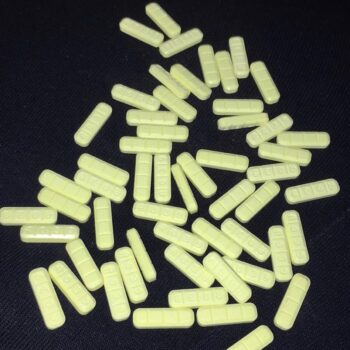
Each tablet contains Zopiclone as the active pharmaceutical ingredient (usually 3.75 mg or 7.5 mg), alongside excipients such as lactose monohydrate, calcium hydrogen phosphate, magnesium stearate, and sodium starch glycolate. These inactive ingredients are generally well-tolerated, though individuals with hereditary galactose intolerance should verify formulation specifics with their supplier.
Customer satisfaction data consistently highlights two key factors: predictable onset of action and minimal residual drowsiness. When used according to clinical guidelines, Zopiclone has helped thousands achieve consistent sleep quality without the morning “hangover” effect linked to longer-acting agents. For secure access to genuine pharmaceutical-grade Zopiclone, sourcing from a verified supplier is critical to avoid counterfeit products that may contain inconsistent dosages or undeclared adulterants.
For more information on responsible procurement and usage protocols, visit our homepage. Always prioritize safety, start with the lowest effective dose, and never exceed prescribed limits.
[Anchor link: https://psychedelichive.com/]
There are no reviews yet.