
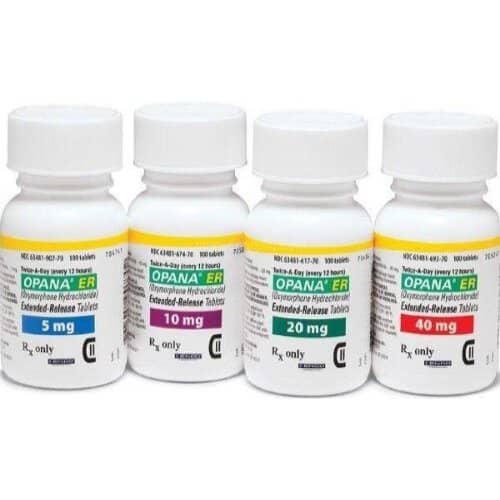
Understanding Opana: A Comprehensive Guide to Safety and Efficacy
In the realm of advanced pain management, few formulations are as potent or require as much respect as Oxymorphone, commonly known by the brand name Opana. As a semi-synthetic opioid analgesic, it is designed to address moderate to severe pain when a continuous, around-the-clock opioid is necessary for an extended period. For medical professionals and researchers seeking to understand the pharmacokinetics and proper handling of this substance, it is imperative to source it through channels that prioritize integrity and product fidelity.
Opana functions by binding to the mu-opioid receptors in the central nervous system. This interaction fundamentally alters the brain’s perception of and emotional response to pain. Unlike immediate-release formulations, the extended-release version provides a steady, controlled plasma concentration over a 12-hour dosing interval. This specific mechanism allows for consistent pain control without the peaks and troughs associated with short-acting analgesics, providing a smoother therapeutic window for patients with chronic conditions.
The primary advantage of this formulation lies in its bioavailability and sustained release. For clinicians and researchers, the consistency of the compound ensures predictable results when utilized in controlled, laboratory, or clinical settings. When handled correctly, the product offers a reliable option for studies focused on opioid pharmacodynamics and pain management protocols.
However, with great potency comes great responsibility regarding safety and usage. Because Opana is a potent opioid agonist, it carries a high risk of respiratory depression, hypotension, and sedation if misused. It is critical to understand that this product is intended for use only by individuals with a verified medical history of opioid tolerance. Safety protocols dictate that this substance should never be combined with alcohol, benzodiazepines, or other central nervous system depressants due to the cumulative risk of severe adverse reactions.
Proper storage is non-negotiable for maintaining the integrity of the compound. The shelf life of Opana, when stored under optimal conditions, is typically between 24 to 36 months from the date of manufacture. To maintain its efficacy and stability, it must be kept in a tightly sealed container, away from direct light and moisture, at a controlled room temperature of approximately 68°F to 77°F (20°C to 25°C). Excursions are permitted between 59°F and 86°F (15°C to 30°C), but long-term exposure to humidity or extreme heat will degrade the active ingredients.
The composition of this medication centers on the active ingredient Oxymorphone Hydrochloride. Inactive ingredients typically include hypromellose, polyethylene oxide, alpha-tocopherol, and polyethylene glycol, which form the matrix responsible for the controlled-release mechanism. This sophisticated blend ensures that the delivery system is as precise as the active compound itself.
For our clients—ranging from licensed researchers to medical institutions—trust is the foundation of our relationship. We understand that in your field, accuracy and purity are non-negotiable. We strive to provide a seamless acquisition process, ensuring that your focus remains on the important work of patient care or scientific discovery. To explore our full range of pharmaceutical research products, please visit our homepage at psychedelichive.com.
There are no reviews yet.