
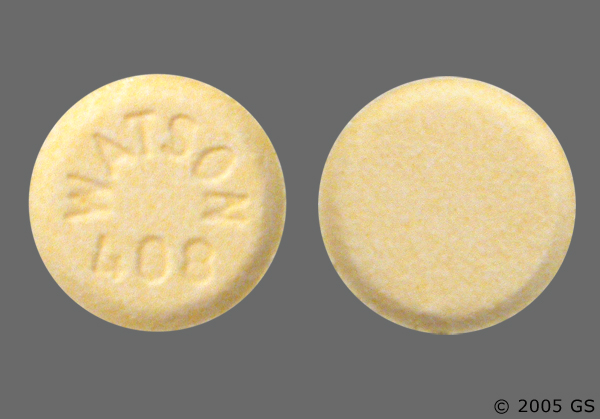
Lisinopril 20 MG: A Cornerstone of Cardiovascular Management
In the landscape of modern therapeutics, few medications have earned the trust and clinical validation of Lisinopril. As a leading angiotensin-converting enzyme (ACE) inhibitor, Lisinopril 20 MG stands as a frontline defense against hypertension and heart failure, offering patients a reliable pathway to cardiovascular stability. For those seeking to manage their blood pressure effectively, understanding the science and safety behind this medication is the first step toward empowered health decisions.
Lisinopril functions through a well-understood, targeted mechanism. It works by inhibiting the angiotensin-converting enzyme, which is responsible for producing angiotensin II—a potent vasoconstrictor. By blocking this enzyme, Lisinopril allows blood vessels to relax and widen. This vasodilation significantly reduces peripheral vascular resistance, enabling the heart to pump blood more efficiently. The result is a measurable reduction in systolic and diastolic blood pressure, alleviating the strain on the heart and reducing the risk of catastrophic events such as stroke, myocardial infarction, and renal complications.
The primary advantage of Lisinopril 20 MG lies in its potency and consistency. This dosage is typically indicated for patients who have established a tolerance to lower doses and require sustained, 24-hour blood pressure control. Unlike some short-acting antihypertensives that cause fluctuations in blood pressure throughout the day, Lisinopril’s extended duration provides a “once-daily” convenience that promotes adherence—a critical factor in the successful long-term management of chronic conditions. Furthermore, its utility extends beyond hypertension; it is a cornerstone therapy in the management of heart failure and as a protective agent for the kidneys in patients with type 2 diabetes.
While the therapeutic benefits are substantial, responsible usage demands respect for the medication’s pharmacological profile. Lisinopril is a prescription-grade pharmaceutical that requires a clear understanding of its contraindications. It is crucial to maintain proper hydration, as ACE inhibitors can affect renal function and potassium levels. Patients should be aware of potential side effects, which may include a persistent dry cough, dizziness, or, in rare cases, angioedema. It is imperative that individuals with a history of hereditary angioedema, or those who are pregnant (particularly in the second and third trimesters), do not use this medication. Responsible management also involves regular monitoring of blood pressure and renal function to ensure the therapy remains both safe and effective.
To maintain the integrity and efficacy of your Lisinopril 20 MG, proper storage is essential. The medication should be kept in a cool, dry environment, ideally between 68°F and 77°F (20°C to 25°C). It must be protected from excessive moisture, heat, and direct sunlight. When stored correctly in its original pharmaceutical packaging, the shelf life of this product is typically up to 24 to 36 months from the date of manufacture. It is vital to check the expiration date prior to administration and to dispose of any expired medication safely.
Each tablet of Lisinopril 20 MG is composed of the active ingredient Lisinopril (as lisinopril dihydrate), combined with a carefully selected matrix of inactive ingredients to ensure stability and bioavailability. These typically include calcium phosphate, mannitol, starch, and magnesium stearate, among others, formulated to meet stringent pharmaceutical standards.
At Psychedelichive.com, we prioritize the health and satisfaction of our clients. We understand that managing your health requires access to reliable, high-quality pharmaceuticals and accurate information. Our commitment to discretion, quality assurance, and customer support ensures that your experience is seamless and secure. We invite you to take the next step in managing your cardiovascular health with confidence.









There are no reviews yet.